

There’s a particular kind of tiredness that has nothing to do with sleep. It’s the tiredness of noise you can’t switch off — traffic outside your window, notifications on your phone, neighbours you can hear through the wall, a city that never quite goes quiet. If you’ve caught yourself thinking I just want peace in my life, you’re far from alone. It’s one of the most common, most private wishes people carry today, and increasingly, people are realising that a peaceful life isn’t something you find by accident. It’s something you have to design your way into — starting with the home you live in.
This is the idea at the heart of Charaktal: that the home you build isn’t just where you sleep. It’s the single biggest architectural decision behind whether your daily life feels calm or chaotic, whether your mind gets to rest or stays switched on. Build the right home, in the right place, and you’re not just creating a house — you’re creating the conditions for a happy and peaceful life.
Why So Many People Say They Have No Peace in Life
It’s worth pausing on why “peace” has become such a widely searched, widely felt need. The answer isn’t complicated: most modern homes are built for density, not for calm. Apartments are stacked close together. Plots are small. Views are of other buildings, not of anything living. Even well-designed urban homes are, by necessity, compromises — shaped more by what land is available than by what actually restores a person after a long day.
Over years, that compromise adds up. People describe a background hum of stress they can’t quite locate, a sense that even home doesn’t fully feel like rest. If you’ve ever said I need peace of mind without being able to point to a single specific problem, this is often exactly what’s happening — your environment is working against your nervous system, quietly, every single day.
Designing a Home Around Peace, Not Just Space
This is where the idea of building your own home changes everything. When you design your own house from the ground up — rather than buying whatever layout a developer happened to build — you get to make a decision most homebuyers never even consider: designing specifically for peace.
What does that actually look like in practice?
Space between you and the world. A home surrounded by land, trees, or open air changes how your body responds the moment you walk through the door. This is one of the simplest, most physical explanations for why people who move from dense cities to more open settings often describe an almost immediate sense of relief — a life at peace that starts the moment the front door closes behind them.
Natural light and airflow designed on purpose. When you create your own house design instead of inheriting one, you can orient rooms toward morning light, design cross-ventilation that keeps interiors naturally cool, and avoid the dark, enclosed layouts that make so many homes feel heavier than they need to.
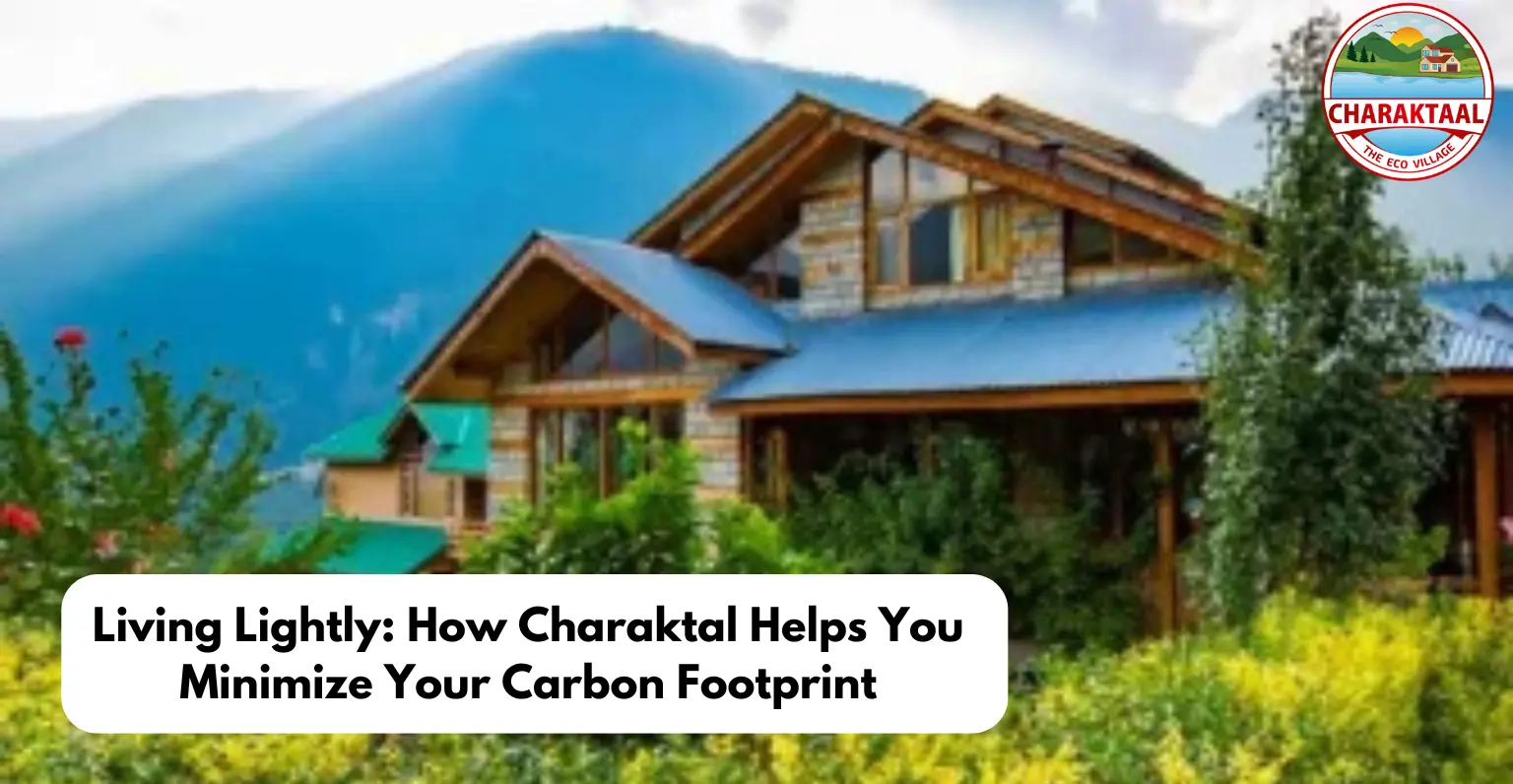
Materials that age gracefully. Stone, wood, and natural finishes don’t just look beautiful — they create interiors that feel warm and grounded rather than sterile. A dream home built with the right materials becomes more comfortable with time, not less.
Rooms that match how you actually live. A custom-designed home lets you build around your real daily rhythm — a quiet reading corner, a kitchen that opens onto a garden, a bedroom positioned away from noise — rather than adapting your life to fit someone else’s floor plan.
From Drawing to Reality: What It Means to Build Your Dream Home
Every dream house starts the same way: as a drawing. Someone sketches a floor plan, imagines where the sun will fall in the living room, decides how many bedrooms a growing family will need. The hard part has never been imagining a dream house design — it’s turning that drawing into a real, structurally sound, beautifully finished home without the process becoming its own source of stress.
This is exactly the gap Charaktal exists to close. Instead of treating home design and home construction as two separate, disconnected processes — an architect here, a contractor there, months of miscommunication in between — the entire journey is built around one continuous relationship: from your first dream house plan drawing to the day you walk into a finished home that matches what you imagined.
It starts with listening, not templates. Rather than offering a catalogue of fixed dream home house plans to choose from, the process begins by understanding how you actually want to live — how much peace and quiet you need, how you use space, what “home” has always meant to you.
Then comes the design phase. A dream house floor plan takes shape based on your land, your light, your privacy needs, and your budget — not a generic blueprint stretched to fit. This is what separates a house that merely functions from one that genuinely supports a peaceful daily life.
Construction follows without the usual guesswork. One of the most common reasons people abandon the idea of building their own home is fear of the unknown — cost overruns, delays, and disappearing contractors. A structured, transparent build process, where you always know what stage your home is at and what’s coming next, removes most of that anxiety before it starts.
And finally, a home that’s genuinely yours. Not a plot number in a housing society. Not a floor plan shared with forty identical neighbours. A dream house builder relationship should end with a home that reflects the specific life you wanted to build — which is the entire point of choosing to create your own house in the first place.
Why Land Near Lansdowne Is the Right Foundation for This
The peace so many people are searching for isn’t only about the house itself — it’s just as much about where that house sits. This is why land in Lansdowne has become such a compelling choice for people ready to design their dream home somewhere that already feels calm before a single brick is laid.
Lansdowne offers something increasingly rare within reach of India’s major cities: genuine quiet. Pine forests, cooler air, slower mornings, and a landscape that hasn’t been overtaken by mass tourism the way many other hill destinations have. Plots in Lansdowne sit at a rare intersection — accessible enough to reach for a weekend, untouched enough to still feel like an escape.
For anyone weighing where to build a dream home, this matters more than it might first appear. You can design the most thoughtful dream house floor plan in the world, but if it’s surrounded by traffic and crowds, the sense of peace you built it for will never fully arrive. Land in Lansdowne solves that problem before construction even begins — the setting itself is already doing part of the work.
Peace as a Daily Practice, Not a One-Time Purchase
It’s worth being honest about something: buying land and building a beautiful home doesn’t automatically deliver a peaceful life. Peace is a daily practice, not a purchase you make once and then forget about. But the right home makes that practice dramatically easier to sustain.
Think of it this way — a home surrounded by nature, filled with natural light, and free from the noise and density of city living removes dozens of small daily frictions that otherwise chip away at your calm without you noticing. You’re not fighting your environment to feel at ease. You’re supported by it. That’s the real difference between a house that merely shelters you and a dream home that actively contributes to a peaceful mind.
This is also why so many people searching for how to build a life with more peace eventually land on the same conclusion: the search for peace and the search for the right home are, more often than not, the same search.
Who This Kind of Home Is For
Building a custom dream home in a place like Lansdowne isn’t only for people retiring from city life entirely. It resonates with a wide range of people, including:
- Professionals nearing a life transition who want a home base built around calm rather than convenience alone.
- Families wanting a second home where children can grow up with space, nature, and quiet as part of their childhood.
- Anyone who has said “I need peace in my life” more than once recently and is ready to do something structural about it, not just take another short holiday.
- People planning for the long term, who see a custom-built home in a place like Lansdowne as both a present-day retreat and a future primary residence.
- Buyers who’ve been disappointed by generic development, and want a dream house builder relationship that actually listens instead of selling a fixed floor plan.
What to Expect When You Start the Process
If the idea of designing your own house has always felt overwhelming, it helps to know what the actual process looks like when it’s done well.
An honest first conversation. Before any drawing begins, a good process starts by understanding your land, your budget, and what peace and comfort mean specifically to you — not a generic client, but you.
A design phase built around your life. Your dream house plan should reflect real conversations about how you live, not a template pulled off a shelf and lightly adjusted.
Transparent timelines and costs. One of the biggest sources of stress in building a dream home is uncertainty. Clear communication about what’s happening, when, and why should run through the entire build.
A finished home, not just a finished structure. The goal was never simply four walls and a roof. It was a peaceful life, made physical — a home you designed, in a place that already feels like relief, built by people who understood that peace was the actual brief from day one.
Common Fears That Stop People From Building Their Dream Home
Almost everyone who has ever thought about designing their own house has also talked themselves out of it — usually for the same handful of reasons. It’s worth naming them honestly.
“It’ll take too long.” Custom builds have a reputation for endless delays, usually because the design and construction phases are handled by disconnected teams with no shared accountability. When one team manages the entire journey from dream house plan drawing to final handover, timelines become dramatically easier to control and communicate.
“It’ll cost more than I expect.” Cost overruns are almost always the result of vague planning, not custom design itself. A detailed dream house floor plan, priced honestly before construction starts, removes most of the surprises that give custom homes their reputation for budget creep.
“I don’t know what I actually want.” This is more common than people admit, and it’s not a barrier — it’s the starting point. You don’t need to arrive with a finished dream house design already in your head. You need a process that asks the right questions and helps that vision take shape gradually, built from how you actually live rather than from a magazine photo.
“Building far from the city feels risky.” This fear usually comes from imagining construction the way it happens in a crowded urban plot — with unreliable labour, poor site access, and no oversight. A well-run project in a place like Lansdowne, with an experienced local team and proper site management, often runs more smoothly than comparable construction in a congested city, not less.
“I’ll lose the peace I’m trying to gain by dealing with construction stress.” This is perhaps the most important fear to address directly, because it goes to the heart of what building a dream home should feel like. If the process of creating your dream home adds anxiety rather than removing it, something in that process has gone wrong — a peaceful life shouldn’t have to be earned through a stressful build.
Frequently Asked Questions
Do I need to already have a design in mind before I start? No. Most people who come to design their dream house begin with a feeling rather than a finished plan — a sense of the peace and space they want. The design process is built to translate that feeling into an actual dream house floor plan, not to demand you arrive with blueprints already drawn.
How is this different from buying a plot and hiring a local contractor myself? Building independently usually means managing architects, contractors, and material sourcing separately, with no single point of accountability if something goes wrong. A dream home developer that handles design and construction as one continuous process removes that fragmentation, so you’re never left coordinating between parties who don’t talk to each other.
Why Lansdowne specifically, rather than a more well-known hill destination? Land in Lansdowne offers genuine quiet without the crowding and commercialisation that’s changed the character of many more famous hill towns. For a home built around peace, an undisturbed setting matters as much as the design of the house itself.
Can the floor plan be fully customised, or are there fixed templates? The entire premise is customisation — your dream house plan is built around your land, your family’s needs, and how you want to live day to day, not adapted from an existing template.
Is this only for people planning to relocate permanently? Not at all. Many people building a custom home in Lansdowne are creating a second home — a place to retreat to regularly — while others are planning it as a long-term or eventual primary residence. Both are common, and the design process adapts accordingly.
The Bottom Line
You can’t buy peace directly. But you can build a home specifically designed to support it — with the right land, the right light, the right materials, and a floor plan shaped around how you actually want to live, not how a developer decided you should. That’s the entire idea behind Charaktal: not just building houses in Lansdowne, but helping people design and build the one thing that’s been missing from their search for peace all along — a home built entirely around the life they actually want to live.
If you’ve been quietly telling yourself you need a peaceful life, the next step isn’t another holiday. It’s designing a place to come home to.